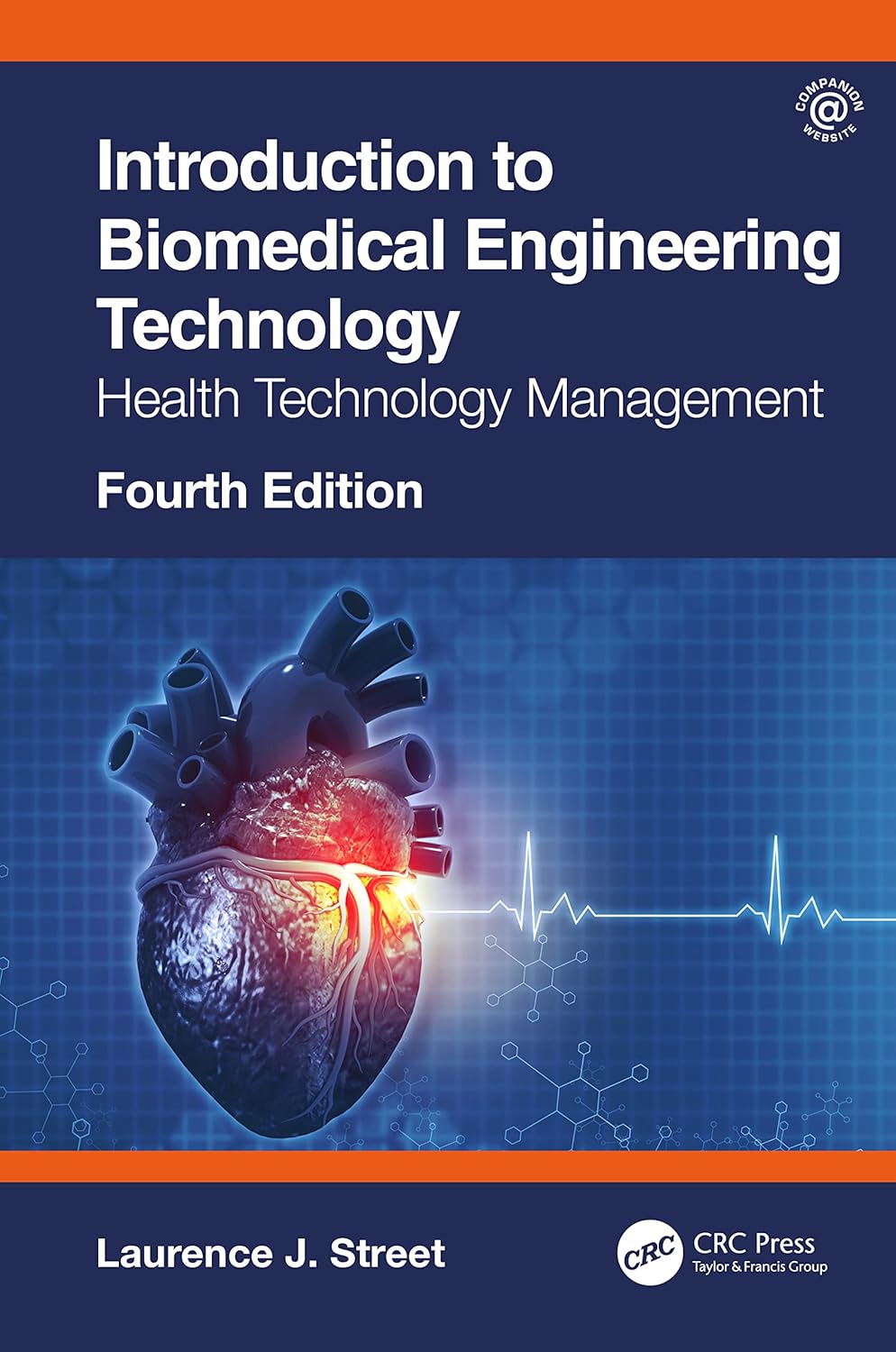
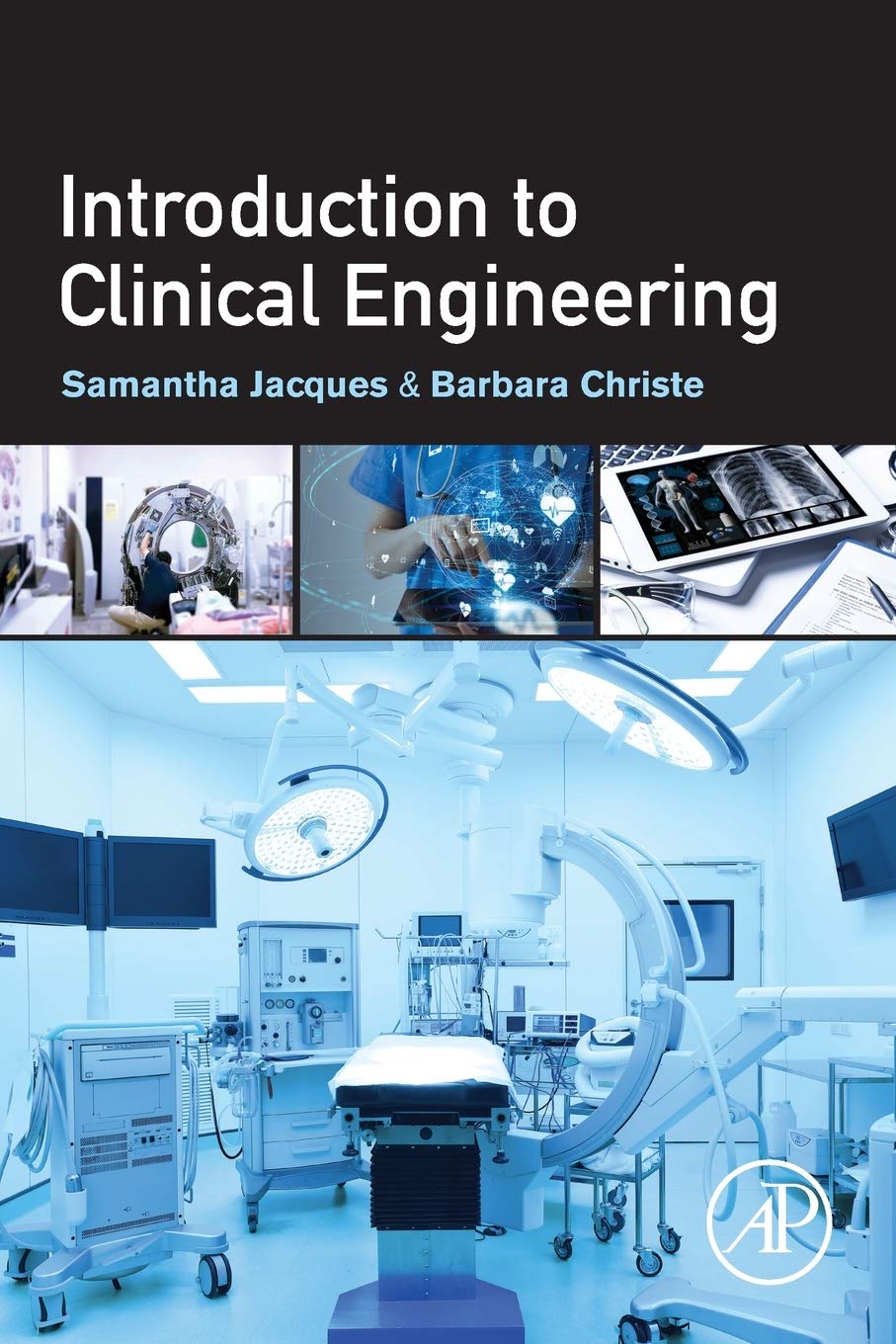
Speculative Devices works where design research meets medical technology — building concept studies, working prototypes, and shared investigations that ask how the shape of a device changes the way care gets delivered.

Research, prototyping, teaching, and collaboration built around speculative medical hardware.
Forward-looking design explorations of future medical devices, emerging models of care, and the places where people and technology meet.
Functional builds, proof-of-concept rigs, and hands-on mockups that make new hardware directions something you can hold.
Open design journals, method write-ups, and findings pulled straight from the studio’s ongoing experiments.
Keynotes, panels, and lectures covering speculative design, medical-device innovation, and how we actually run our research.
Practical workshops, student partnerships, and teaching programs that hand off our speculative hardware methods.
Press questions, licensing, exhibition invitations, and collaboration offers from designers, institutions, and brands.
Essays, updates, and field notes logged through April 2026.
Speculative design is a real discipline, not a marketing pose: it puts made objects to work asking “what if?” and turns possible futures into something concrete enough to argue about. Designers Anthony Dunne and Fiona Raby gave the idea its name in Speculative Everything (MIT Press, 2013), where they make the case that design can drive critical inquiry rather than only solve the problem directly in front of you. Applied to healthcare hardware, that means crafting props and provocations — devices that aren’t products yet — so questions of ethics, usability, and consequence surface before a fortune is committed to tooling. The workflow is methodical: research, scenario-building, physical prototyping, and honest critique, drawing on the design-research rigor you find at places like MoMA and the Cooper Hewitt, Smithsonian Design Museum. Stripped of mystique, it is thinking made physical — and thinking early costs far less than recalling late.
Sources: MIT Press — Speculative Everything (Dunne & Raby) · Cooper Hewitt, Smithsonian Design Museum
One of the studio’s recent concept studies has been chosen for a design-research anthology — a sign that speculative work belongs in the medical-hardware conversation. The selected project uses the approach Dunne and Raby helped codify: build a deliberate object that externalizes a question the field hasn’t faced, then open it to critique. Getting published matters because it carries the work out of the studio and into peer discourse, where researchers, clinicians, and ethicists can stress-test the idea. For medical hardware the takeaway is as practical as it is philosophical: speculative studies can expose usability traps, consent issues, and equity gaps while they are still inexpensive to fix. As with any conceptual work, these stay provocations rather than approved products, and a real device would still need full validation and regulatory review before anyone used it.
Sources: MIT Press — Speculative Everything (Dunne & Raby) · Museum of Modern Art — Design collection
This diary follows a single concept over six months, from a rough first sketch to a working prototype fit for exhibition — the unglamorous middle stretch where speculative ideas either prove themselves or quietly fall apart. The shape is familiar to any design-research practice: sketch widely, narrow through scenarios and critique, then prototype in the physical world until the object starts answering back and shows what the drawings couldn’t. Recording the route honestly, dead ends included, is part of the method Dunne and Raby championed — the payoff lives in the questions raised along the way, not only in the finished piece. Exhibition closes the loop, putting the work before an audience whose reactions feed the next round. A prototype, in the end, is an argument you can hold — and six patient months turn a provocation into something people can genuinely think with.
Sources: MIT Press — Speculative Everything (Dunne & Raby) · Cooper Hewitt, Smithsonian Design Museum
Research partnerships, speaking invitations, exhibition proposals, or a commission — tell us what you have in mind.
Send Inquiry →Charging technology signals we're tracking in our research this year.
In 2026 Megawatt Charging Systems (MCS) enter commercial deployment, delivering over 1 MW to recharge 200–600 kWh heavy-duty batteries within a 45-minute break — a new frontier for hardware design. (Ekoenergetyka / EGBatt, 2026)
At megawatt power levels, currents of 1,000–3,500 A demand liquid-cooled cables and connectors to manage heat — a materials-and-thermal design challenge shaping next-gen charging hardware. (EGBatt, 2026)
The Rocsys M1, unveiled in May 2026, is the first hands-free multi-bay charging system for robotaxi fleets: an overhead robotic arm with computer vision and a 99.9%+ plug-in success rate. (industry reports, 2026)
Get our illustrated guide — practical, current, and written for 2026.
Get the eBook — $10Real expertise, genuine care, and a process that makes it easy to say yes — here’s what working with Speculative Devices looks like.

A steady partner with the know-how to deliver — on schedule and to standard.
Straight answers and dependable follow-through, with none of the jargon or runaround.
Careful work that safeguards your investment and keeps paying off down the line.
Get in touch and we’ll put our experience to work for you.
Several engineering projects are live in the studio right now, and we’re looking for electrical engineers, PCB designers, firmware developers, and makers to help build and test them. Browse the projects below and reach out if you’d like to team up.

A modern solid-state reconstruction of a historical radionics instrument, with full KiCad schematic and PCB. Historical/experimental.
A modern, safe, documented programmable frequency-generator reconstruction inspired by Rife's historical instruments. Experimental/educational.
As an Amazon Associate we earn from qualifying purchases. Prices and availability are subject to change.